

For many travellers considering Southeast Alaska, one question surfaces early: “Will I get seasick?” It’s a fair concern. The North Pacific has a reputation for energy and scale—but along Alaska’s Inside Passage, the reality is often far calmer than expected.
Understanding why comes down to geography—and timing.
A Naturally Sheltered Coast

Photo: Phil Stone
Protected by a fringe of coastal islands, the Inside Passage offers sheltered waters and breathtaking scenery around every bend.
Southeast Alaska is defined by the Inside Passage—a labyrinth of islands, fjords, and narrow channels that run from northern British Columbia up through Alaska’s panhandle. Rather than crossing open ocean, most vessels travel between landmasses, where swell is significantly reduced.
On a typical day, sea conditions here are shaped less by ocean swell and more by local winds, tidal currents, and boat wake. This often translates to gentle rolling or slightly broken-up chop rather than large, rhythmic swells. Inlets where we anchor are often near-glassy calm, especially in the early morning and evening. While you can expect occasional wind-driven waves in wider channels like Chatham Strait, the key takeaway is that this is not open-ocean cruising in the traditional sense.
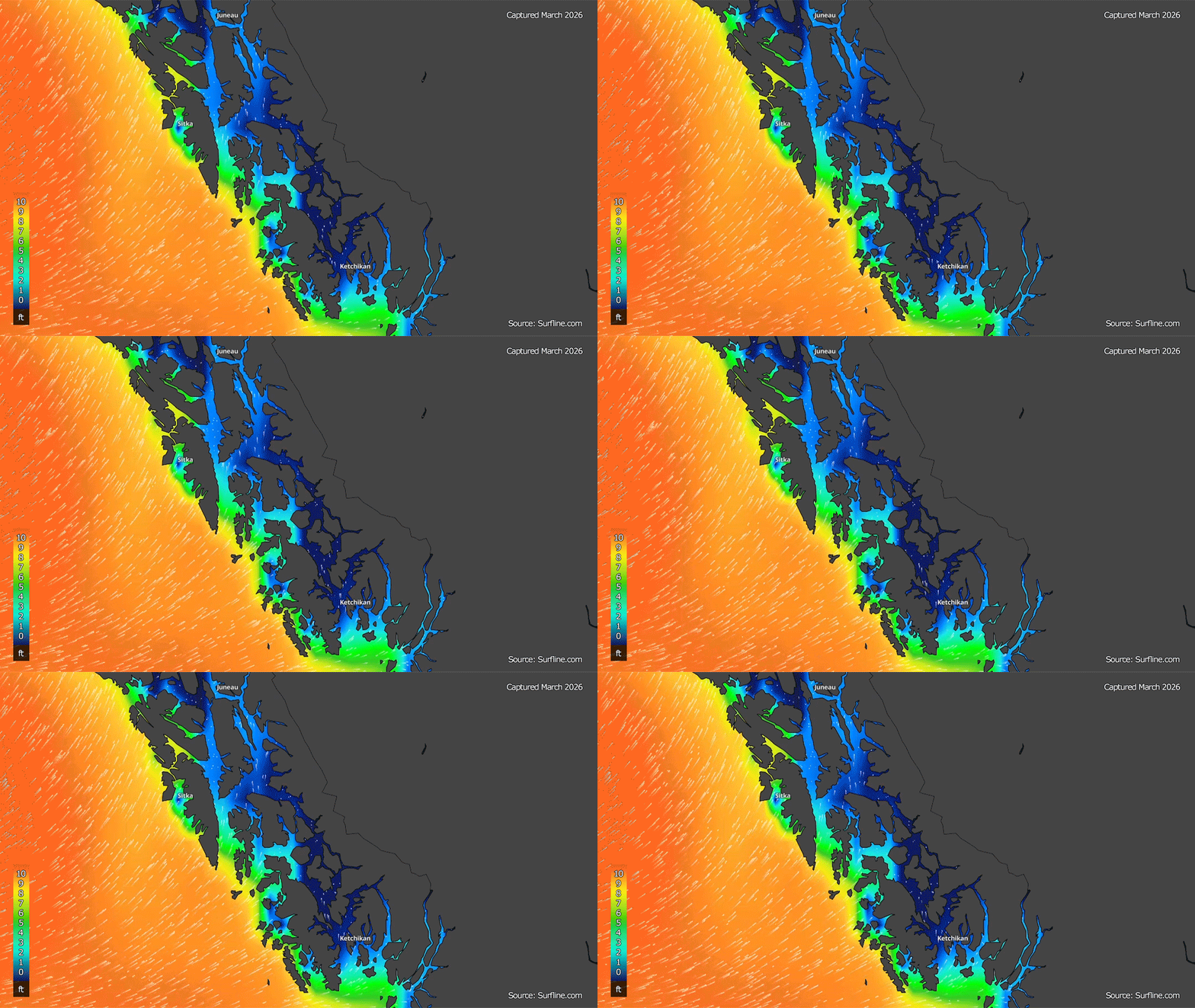
This wave model captured in March shows how the Inside Passage is shielded from open-ocean swell. As wave energy travels across the Pacific, it disperses over distance, but more importantly, it is physically blocked and refracted by the dense chain of coastal islands.
How Alaska Compares to Other Cruise Regions
To put Southeast Alaska in context, here’s how it compares globally:
| Region | Typical Conditions | Wave Climate Insight | Seasickness Risk |
| Southeast Alaska (Inside Passage) | Protected channels, light chop | 1-5 ft typical1 | Low |
| Caribbean | Generally calm, trade wind chop | Consistently low wave heights2 | Very Low |
| Mediterranean | Variable, wind-driven seas | 3–10 ft typical3 | Low–Moderate |
| Open Ocean (Atlantic crossings) | Long-period swell | 10–16 ft average; larger in storms4 | Moderate–High |
| Drake Passage (Antarctica) | Highly exposed | 10-15 ft typical; 20+ ft not uncommon5 | High |
Alaska sits in a unique middle ground: more dynamic than the Caribbean, but far more protected than any open-ocean route.
Summer Conditions: They’re in Your Favour
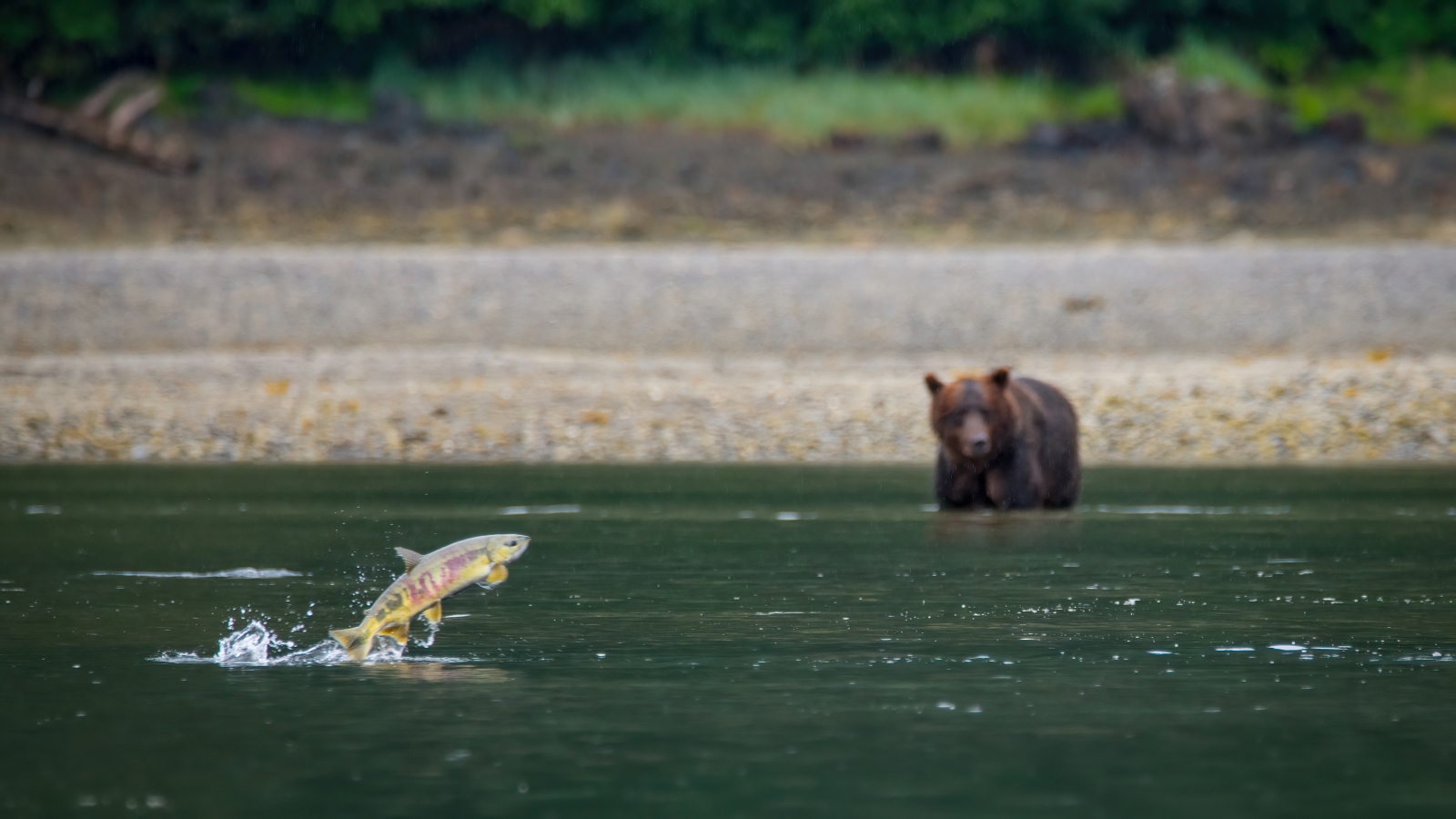
Photo: Jeff Reynolds
In summer, the Inside Passage offers smooth sailing and epic wildlife moments, like this bear fishing for salmon in a protected bear sanctuary.
Most Alaska cruises operate through the summer season (May through September)—which also happens to be the calmest and most stable window for sea conditions.
During these months, storm frequency is significantly lower than winter, winds tend to be lighter and more predictable, and extended calm periods are common, especially in mornings and evenings.
While conditions can still vary—this is a coastal wilderness, after all—the likelihood of prolonged rough seas is relatively low during this period.
Why Time at Sea Matters More Than Wave Height

Photo: Jeff Reynolds
Frequent shore excursions are central to the expedition rhythm, naturally limiting prolonged exposure to motion and keeping the experience grounded, active, and immersive.
Seasickness isn’t just about how much the boat moves—it’s about how long you’re exposed to that movement.
This is where expedition cruising differs fundamentally from large-ship travel. On a conventional cruise, you may spend full days underway travelling longer distances between ports, meaning motion exposure can be continuous.
On a small expedition vessel, travel distances are shorter, routes adapt to favour sheltered water, and the day is broken up with frequent stops. At Maple Leaf Adventures, the rhythm is deliberate, with morning wildlife viewing in calm inlets, shore excursions throughout the day, and evenings spent at anchor in protected bays, not underway.
This dramatically reduces sustained exposure to motion—the primary driver of seasickness.
Ship Stability, Fresh Air, and Orientation
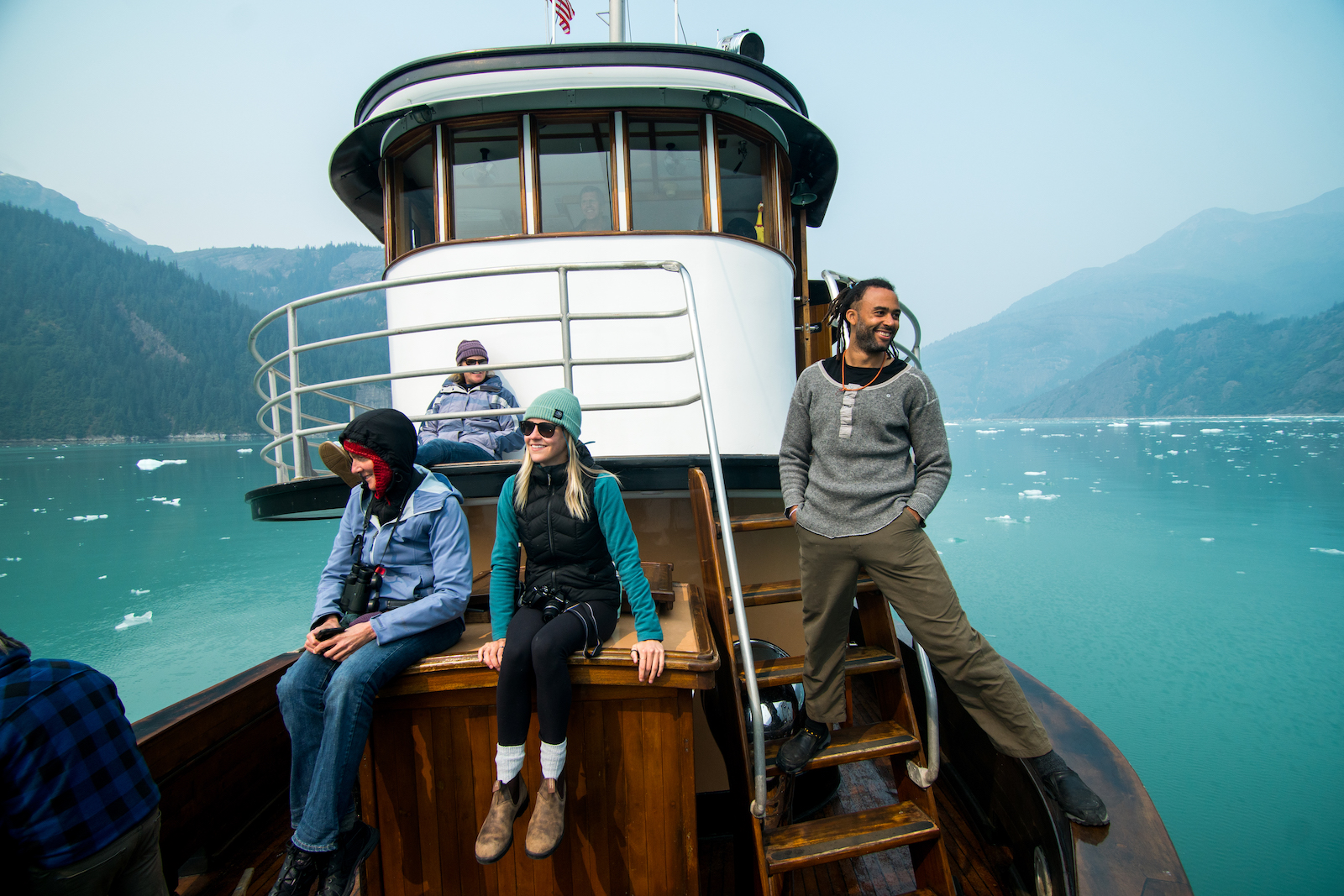
Photo: Kayleen Vanderee
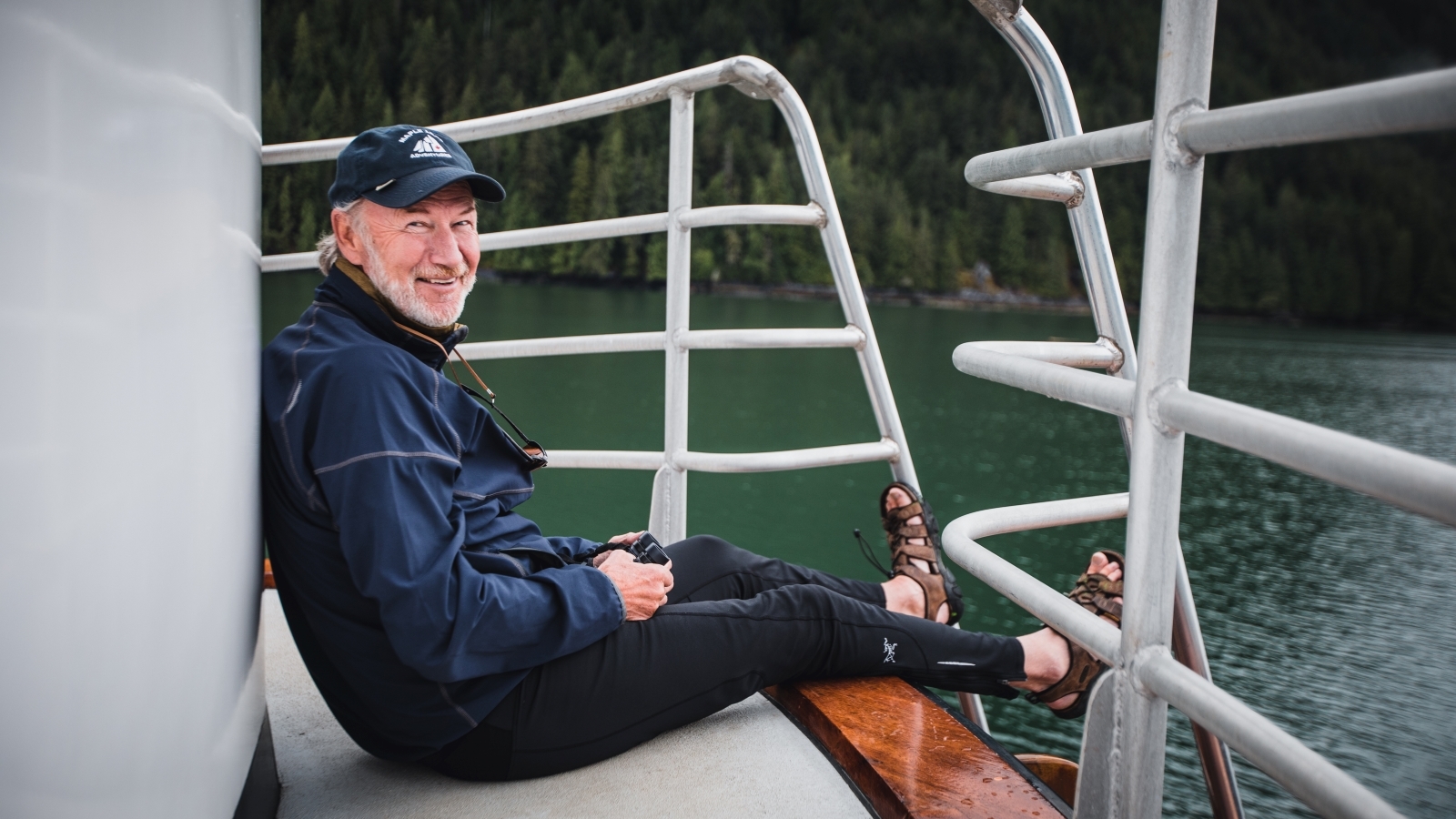
It’s not unusual to spend more time on deck than inside when aboard Swell—soaking up open sightlines, fresh air, and uninterrupted horizon views. That constant visual and physical connection to the environment helps the body process motion more naturally.
Another critical—but often overlooked—factor is your ability to orient yourself.
Seasickness tends to worsen when your body senses motion but lacks visual confirmation (like being in an interior cabin). On many large ships, limited deck access and inside staterooms can amplify this effect.
On a small expedition vessel, you’re never far from the outer deck, the horizon is always visible, fresh air is constant and cabins are above the waterline. These elements help your body reconcile motion naturally—often reducing or preventing discomfort altogether.
Practical Ways to Stay Comfortable

Photo: Maple Leaf Adventures
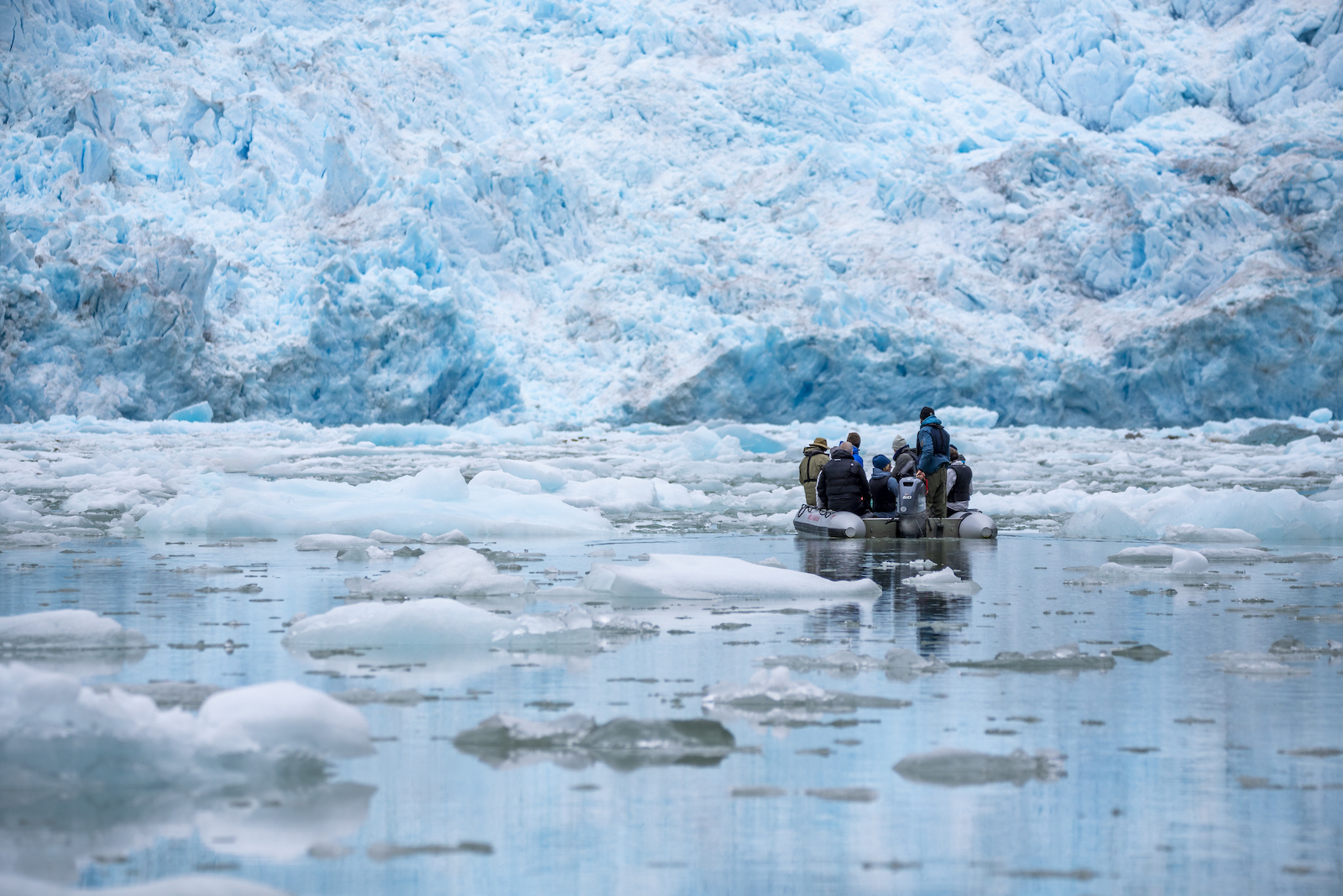
Smooth waters and stable tenders—even excursions off the ship are calm, comfortable, and surrounded by breathtaking views.
Even in relatively calm conditions, a few strategies can help:
- Spend time on deck and watch the horizon
- Stay hydrated and avoid heavy meals while underway
- Use preventative remedies if you’re prone, like GRAVOL (aboard Swell, we are well stocked)
On a small ship, many of these happen naturally—you’re already outside, already engaged, and rarely confined.
So, Will You Get Seasick?
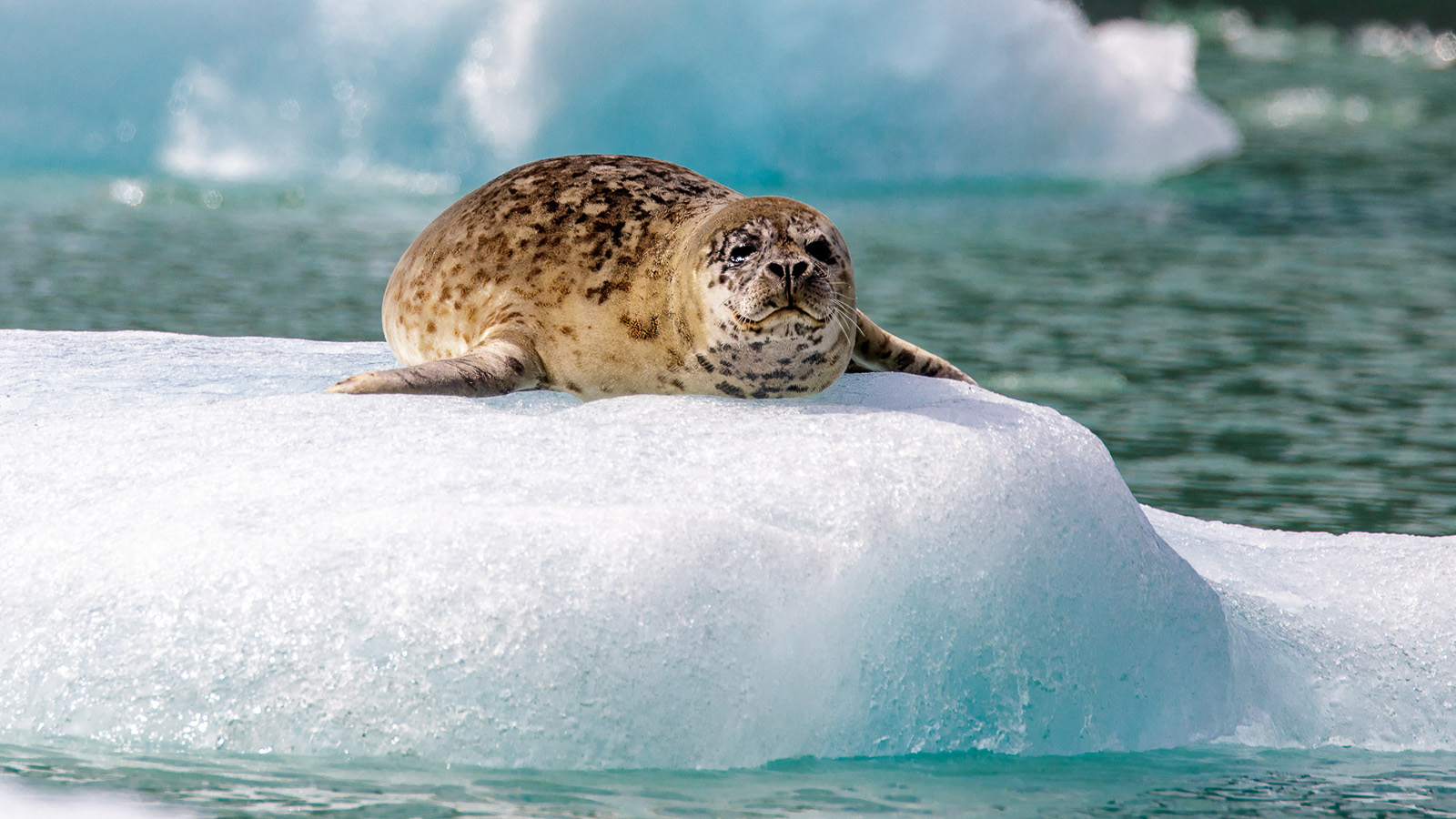
Photo: Maple Leaf Adventures
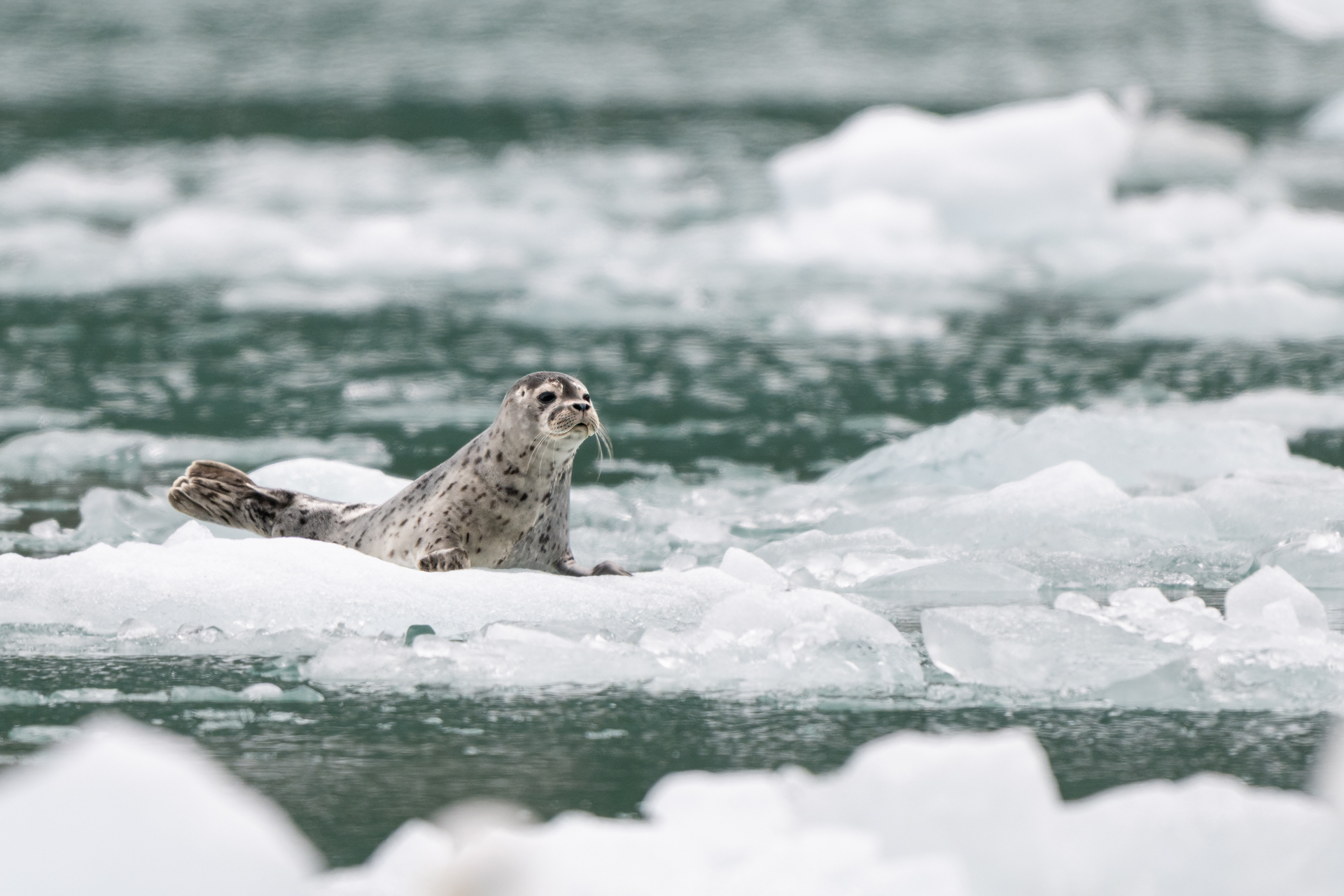
Keep calm like a harbour seal—sheltered waters, fresh air, and peaceful surroundings make it easy to feel grounded during your Alaska cruise.
For most travellers, the answer is: no, most likely not.
You may feel brief motion in exposed areas or changing weather, but these moments are typically short-lived—especially in summer, and especially on an itinerary designed around sheltered waters and time off the ship.
For many guests, the surprise isn’t how rough Alaska is—it’s how calm it can be.
Learn More Inquire Today