

Reflections from Kevin Smith, Maple Leaf Adventures CEO and a participant in the landmark conservation negotiations.
It is a milestone for many people, including me: the finalization of the Great Bear Rainforest agreement was announced this month.
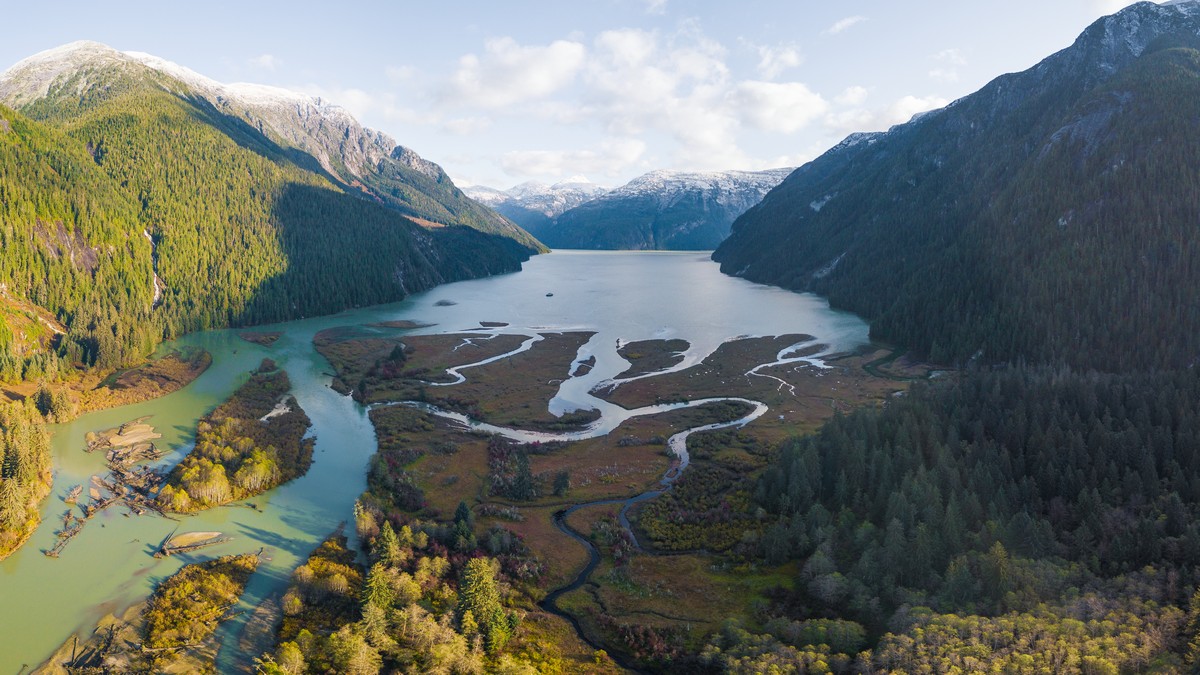
The agreement enshrines protection for forest land and ecosystems in the 6.4 million hectare Great Bear Rainforest, on the central and north coast of BC, Canada.
But what does the agreement actually mean?
Some people have asked me about this month’s announcement and what it means. Needless to say, it’s not as simple as the government’s messaging makes it seem.
As I say in my short letter to the editor below, the Great Bear Rainforest negotiators did well to get what they did against a backdrop of the old guard of bureaucrats and entrenched, old-style forest policy.
The forest campaigns, Coast Information Team, First Nations and conservation leadership all worked hard to get us to a new paradigm of ecosystem-based forest management, and a shift from 9% protected to 85%.
We have a new plan now where enough habitat is protected to support wildlife and the conservation economy. We will continue to work to end the sport hunting of bears to give us, and the bears, the certainty we need, among other efforts.
Below are some additional perspectives on the agreement, including my own.
Captain Kevin Smith’s reflections on the agreement, in a letter to a BC newspaper:
Behind the Negotiations
One of the most interesting accounts comes from Jody Holmes, whom I worked alongside for five years and have enormous respect for. In this interview with the National Observer, she shares a deeply personal story before exploring the consensus-based negotiations themselves. I encourage you to read the interview or watch the accompanying video for a sense of what the process was really like.
Conservation and Indigenous Governance
The Sierra Club BC, which was involved from the beginning, offers an accessible explanation of the agreement’s conservation benefits.
For an important First Nations perspective, the Nanwakolas Council explains the agreement’s significance for land claims, governance and Indigenous communities in the southern Great Bear Rainforest.
Perspectives Beyond the Negotiating Table
Not everyone involved in protecting the Great Bear Rainforest participated directly in the negotiations. Photographer, author and conservation advocate Ian McAllister of Pacific Wild offers another perspective. His work is a reminder of the important role that advocacy and public awareness played alongside the formal process.
There were also important questions about what the agreement did not yet achieve. An opinion piece published in the Vancouver Sun by representatives of Raincoast Conservation Foundation and Coastal First Nations challenged the provincial government’s suggestion that the agreement had ended trophy hunting of bears.
Understanding Ecosystem-Based Management
Finally, for those interested in the technical details, the BC government’s resources on ecosystem-based management explain the different approach to forestry that the agreement introduced in parts of the region.