


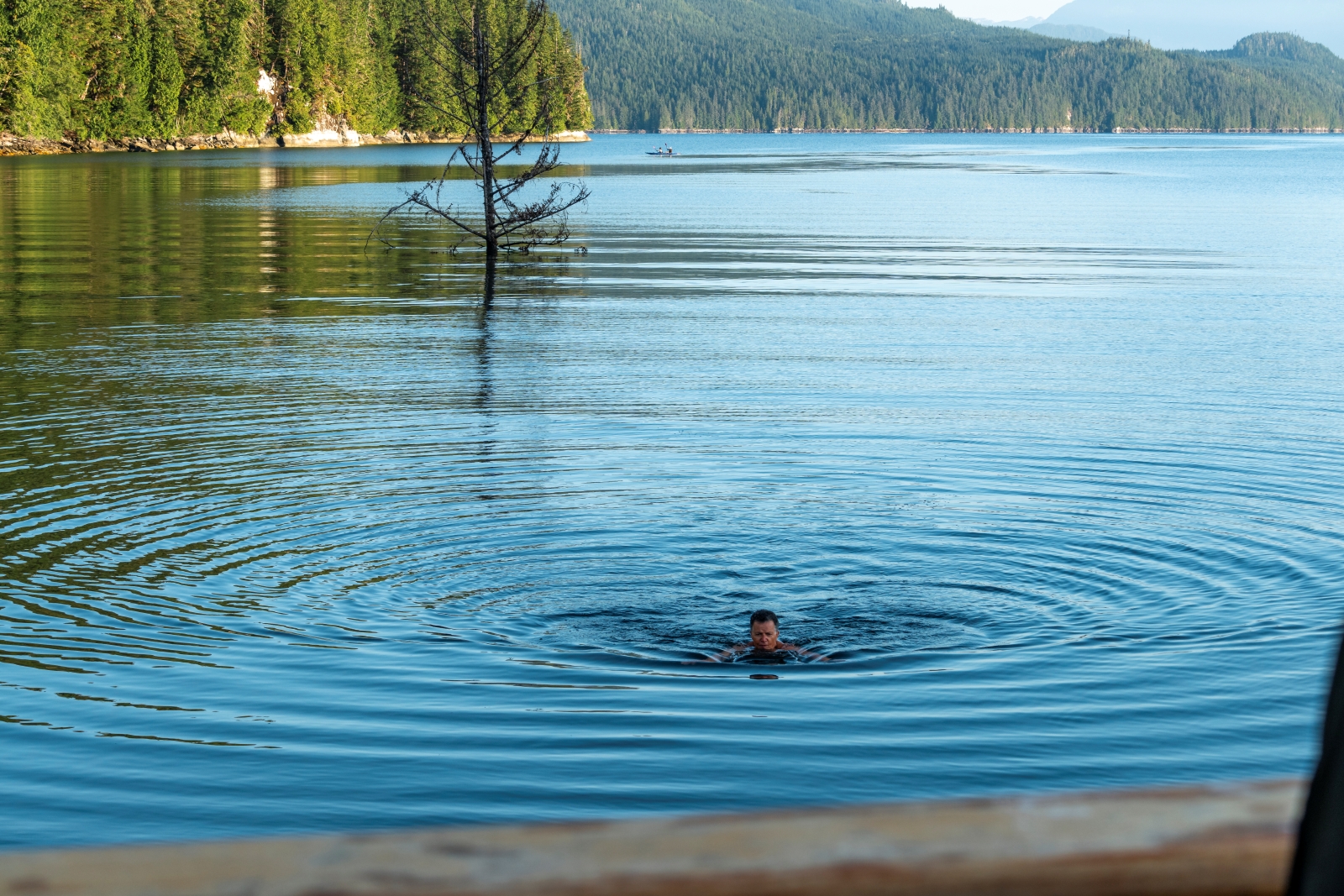
Sheltered bays, an unusual meeting of tides and long summer days make this corner of British Columbia one of the Pacific Coast’s most rewarding year-round destinations.
When you think of swimming in the Pacific Ocean off British Columbia, warm water probably isn’t the first thing that comes to mind.
But tucked between Vancouver Island and the mainland coast, Desolation Sound is something of an exception. Sheltered waterways, forested islands and towering granite mountains create a distinctive environment that’s unusually warm by Pacific Coast standards, while its position within a coastal rain shadow contributes to a more temperate climate than most visitors bargain for.
How Does Desolation Sound Compare to the Rest of Canada’s Coast?
While much of Canada’s coastline remains chilly well into spring, Desolation Sound’s waters begin warming relatively early.
That difference becomes even more pronounced in early summer, when Desolation Sound’s sheltered waterways continue absorbing the sun’s warmth.
Average Ocean Surface Temperature
| Month | Desolation Sound | Tofino | Victoria | Halifax | St. John’s |
| April | 9.4°C | 9.4°C | 8.6°C | 2.5°C | 0.4°C |
| May | 12.9°C | 11.0°C | 9.6°C | 5.7°C | 2.5°C |
| June | 15.5°C | 12.3°C | 10.4°C | 10.2°C | 6.1°C |
| July | 17.6°C | 13.4°C | 11.2°C | 14.9°C | 11.5°C |
| August | 17.9°C | 14.1°C | 11.6°C | 17.7°C | 14.8°C |
| September | 15.3°C | 13.5°C | 11.1°C | 17.0°C | 13.0°C |
| October | 11.7°C | 11.9°C | 10.2°C | 14.0°C | 9.7°C |
Source
Historical monthly sea-surface averages from SeaTemperature.info. Temperatures vary with location, depth, weather and local currents. These averages should not be confused with the exceptional temperatures reached in individual sheltered bays.
Desolation Sound is not warmer than every other Canadian coastal destination throughout the year. But compared with much of the exposed Pacific coast, its waters warm rapidly in spring and remain relatively mild through late summer and early autumn.
It’s one of the reasons Desolation Sound has become such a celebrated destination for boating, kayaking and swimming. But what makes the water so unusually warm?
Where Two Tides Meet
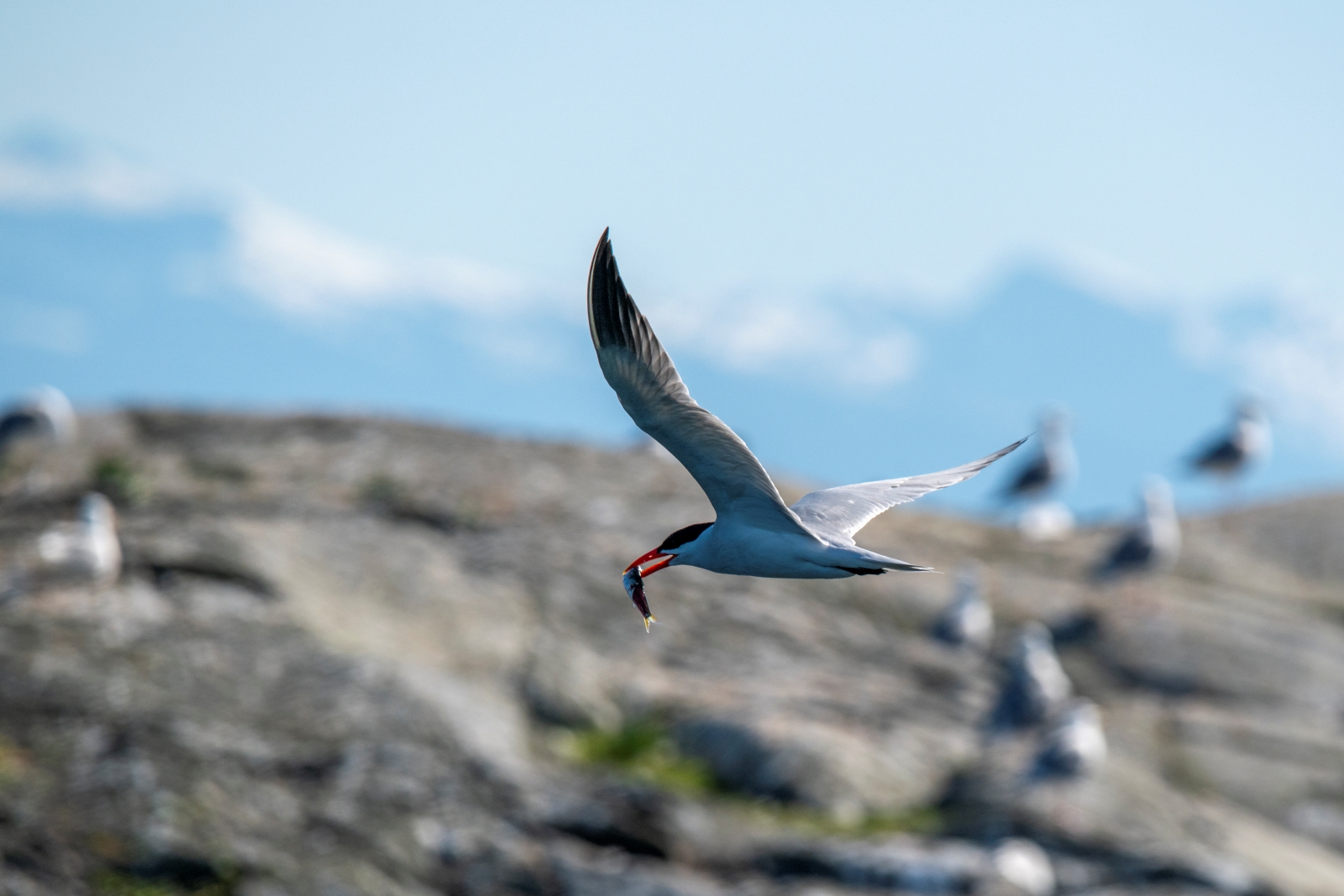
The first part of the answer lies beneath the surface. Desolation Sound occupies an unusual position along British Columbia’s Inside Passage, near the northern end of the Strait of Georgia.
Ocean tides travel around Vancouver Island from two directions: through Juan de Fuca Strait to the south and through the waterways north of Vancouver Island. Their interaction creates a region of comparatively weak tidal mixing in the northern Strait of Georgia.
In places where tidal currents are strong, warmer surface water is continually mixed with colder water from below. But in Desolation Sound’s sheltered bays, reduced mixing allows the upper layers of the ocean to absorb and retain more of the sun’s heat.
The result is a surprisingly warm layer of surface water.
A Coastal Rain Shadow

There’s another important ingredient in Desolation Sound’s agreeable climate: sunshine.
Although British Columbia’s coast is famous for its rainforests, rainfall is far from evenly distributed. As moisture-laden Pacific air moves eastward, it rises over Vancouver Island’s mountains, cooling and releasing much of its moisture as precipitation. By the time the air descends toward the Strait of Georgia, it is often warmer and drier.
This is known as a rain-shadow effect, and it helps give parts of the Strait of Georgia and Desolation Sound region relatively sunny conditions compared with the exposed outer coast.
That doesn’t mean Desolation Sound is always dry. Its surrounding mainland mountains receive substantial precipitation, and local weather can change quickly. But the regional climate provides opportunities for sunshine that might surprise visitors expecting the consistently wet conditions associated with coastal British Columbia.
What Warmer Waters Mean for Exploring Desolation Sound
For travellers hoping to swim in the warmest ocean water, July and August are generally the best months. But swimming isn’t the only reason to visit, and summer isn’t the only season worth considering.
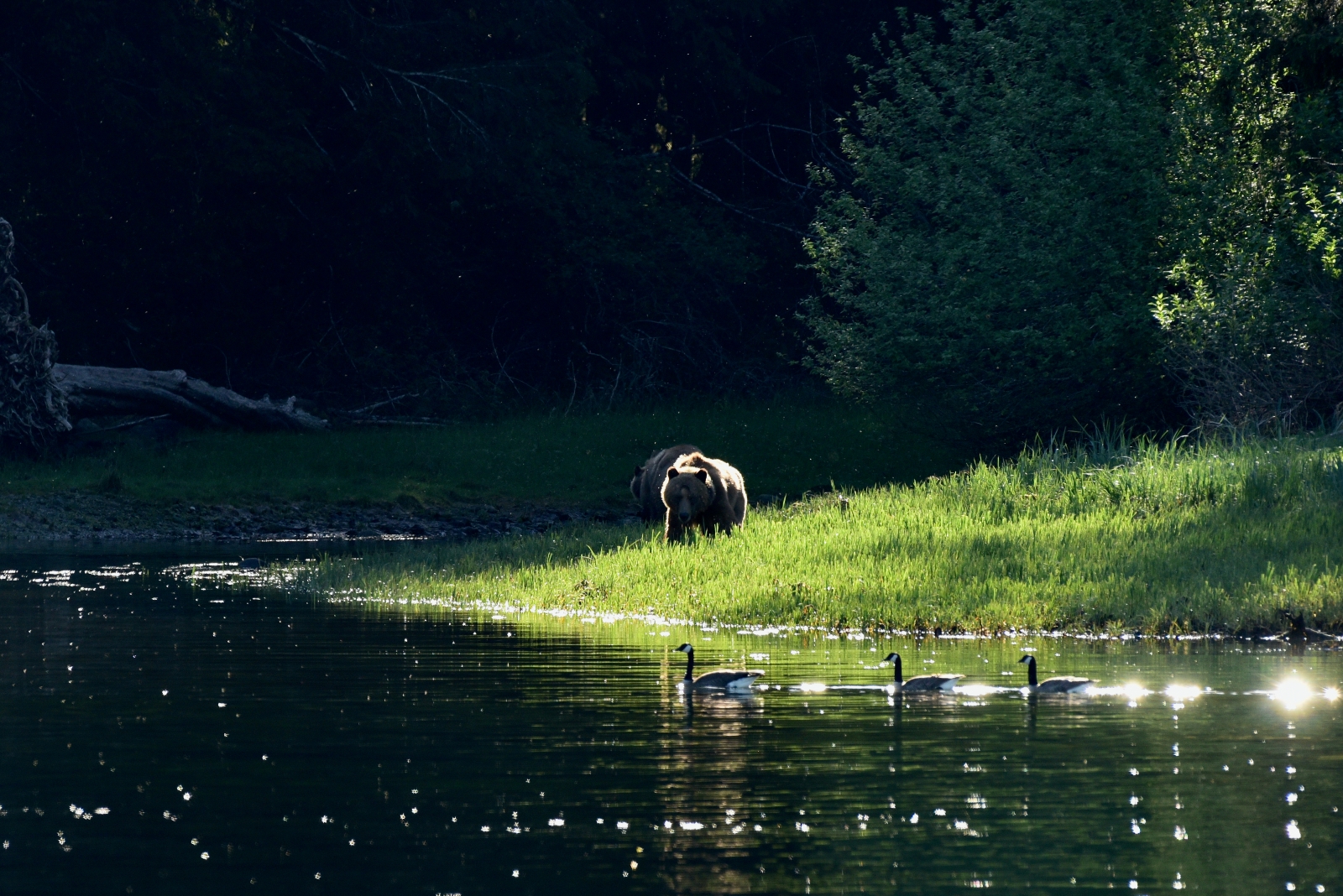
What many visitors don’t realize is just how early spring arrives in Desolation Sound. By April, while much of Canada is still shaking off winter, longer days are already bringing renewed life to coastal forests and marine ecosystems. Plankton blooms support marine food webs, seabirds become increasingly active along the shorelines, and fresh green growth appears beneath towering conifers.
And perhaps best of all, it’s a quieter time on the water.
“In the summertime, some of these anchorages are packed with boats. In the spring, you might be one of only one or two boats there,” explains Jeff Reynolds, an expedition leader with Maple Leaf Adventures.
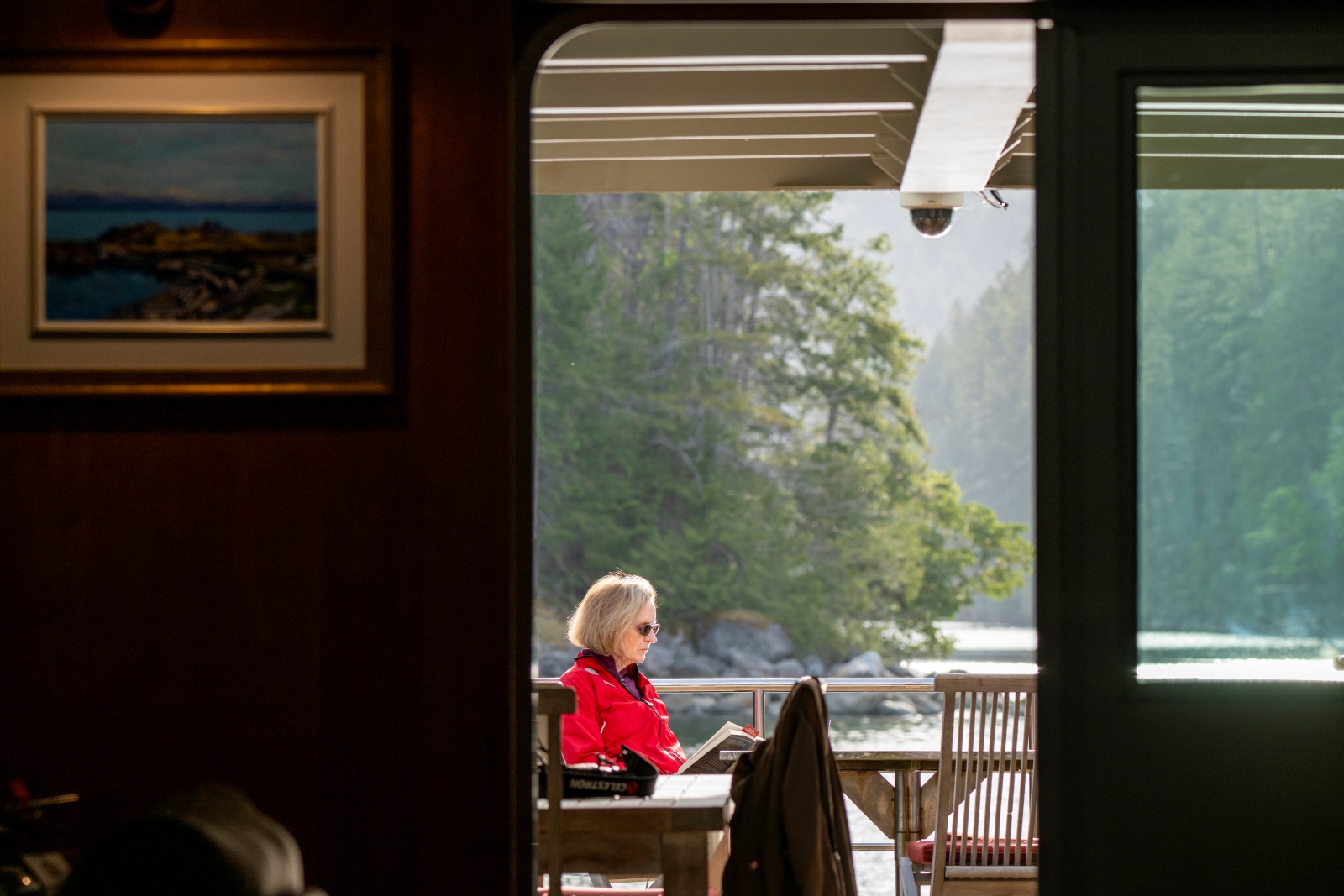
With fewer boats in the anchorages, there’s more opportunity to kayak peaceful shorelines, explore coastal forests and watch wildlife without the bustle of the busiest boating season.
Ready to take the plunge? Discover our Desolation Sound expeditions
-
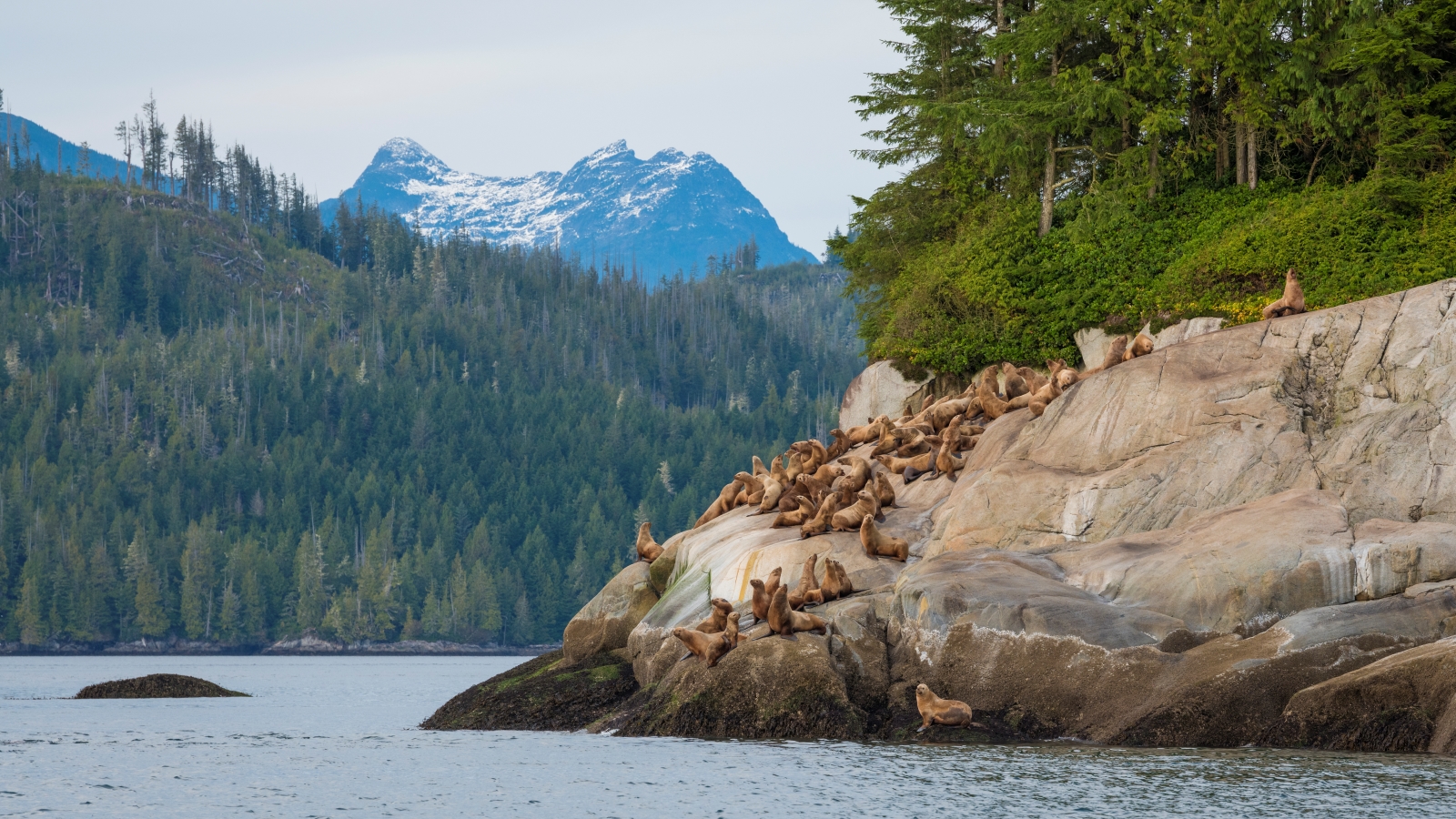
Desolation Sound and Fjords of BC
View ItineraryThis journey among the islands and fjords of the storied British Columbia coast includes Desolation Sound and the Broughton Archipelago, as well as neighbouring inlets.
-
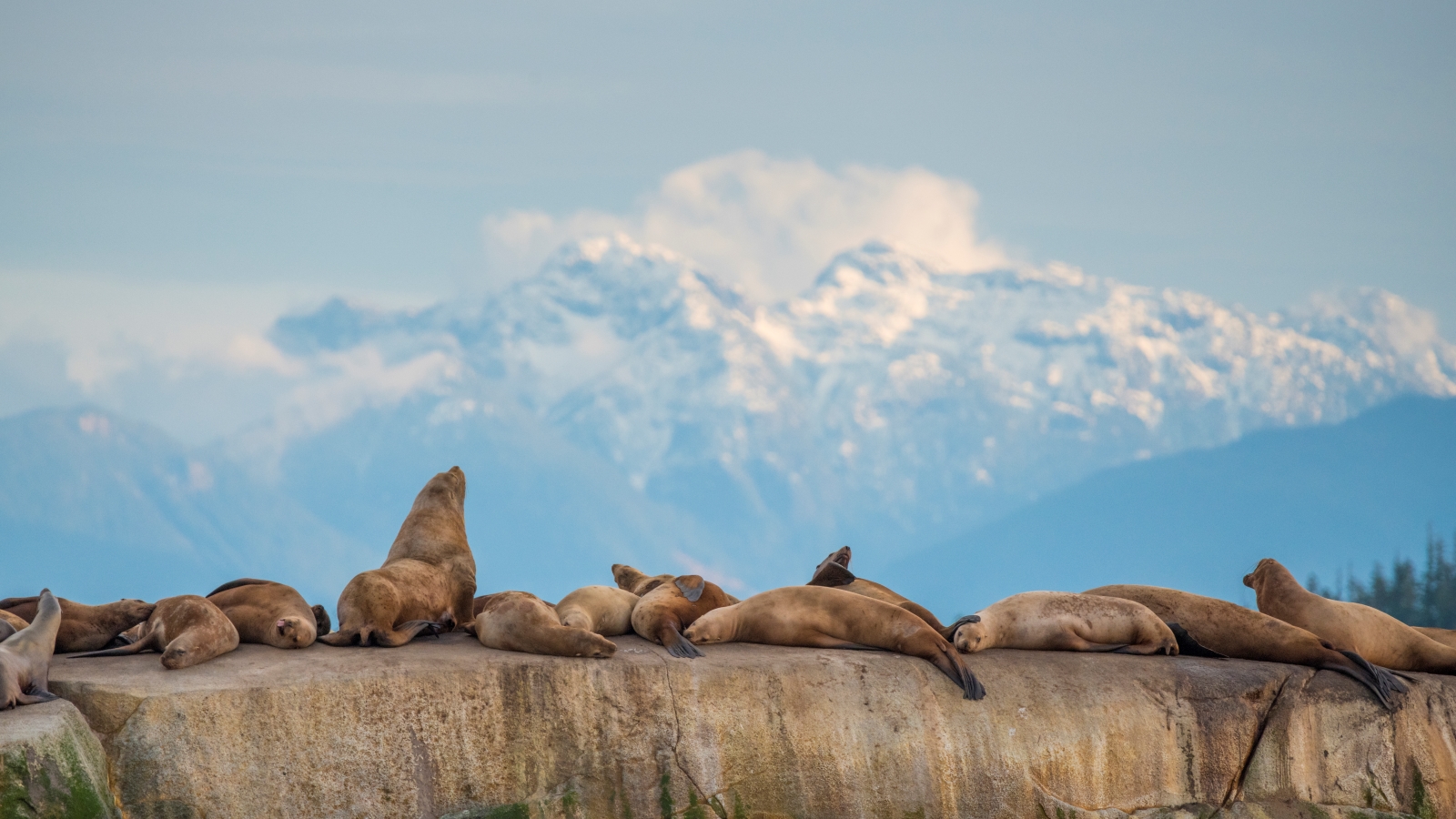
Desolation Sound
View ItineraryExplore the stunning waterways, fjords and islands of Desolation Sound, one of the world’s most popular cruising destinations.


