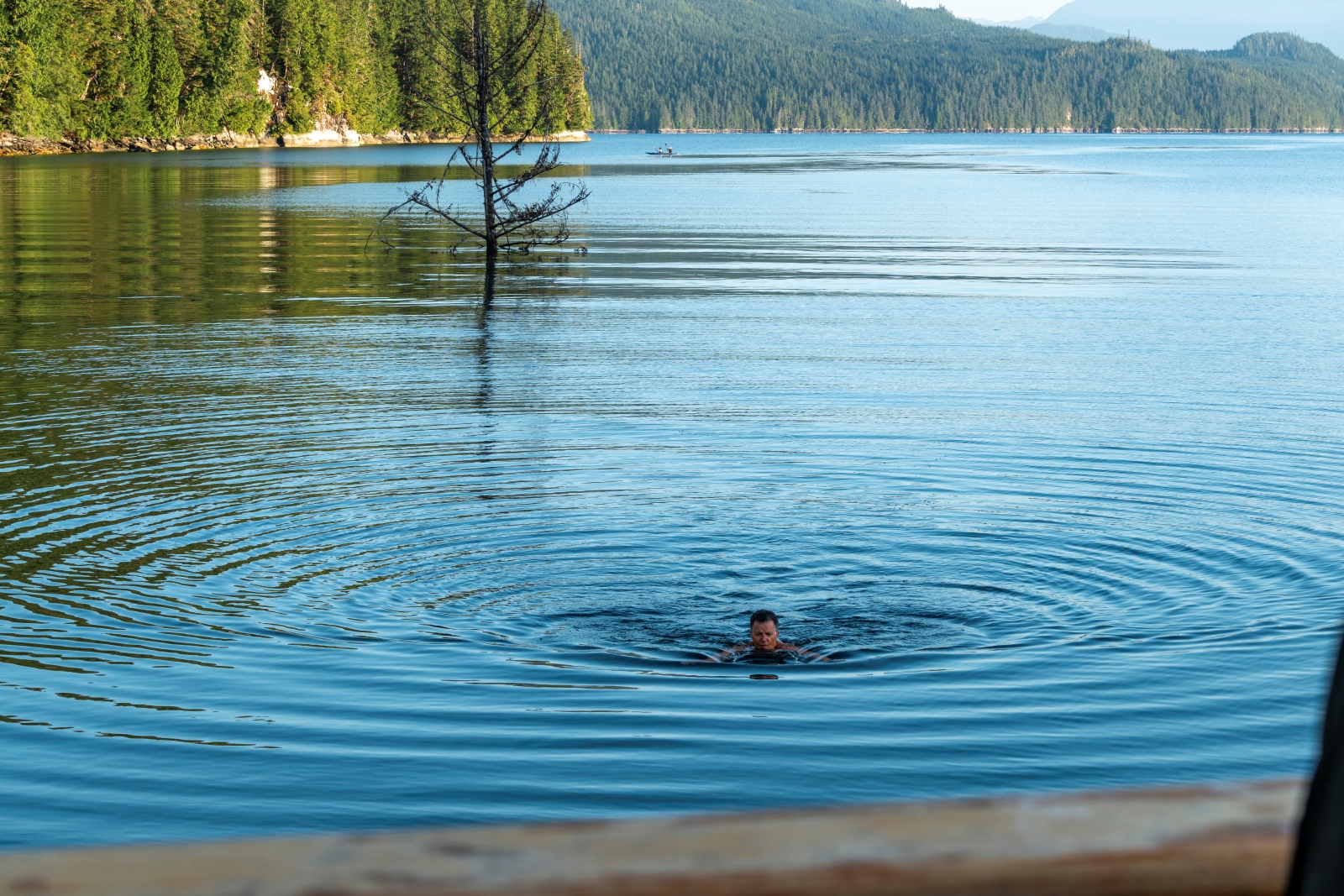


From cactus-covered islands to bears foraging among spring blooms, there’s more to Desolation Sound than its celebrated boating destinations.
Desolation Sound has earned its reputation as one of British Columbia’s great boating destinations. Sheltered anchorages, warm summer waters and spectacular mountain scenery have drawn generations of sailors and kayakers up to this stretch of coast.
But there’s sides to Desolation Sound that are easy to overlook from small ship.
Past the towering conifers the line the shore, bears forage among prehistoric-looking plants, waterfalls tumble from snow-covered mountains, and on one remarkable island, prickly pear cactus grows within sight of the Pacific Ocean.
To discover this side of Desolation Sound, it pays to look beyond the anchorages—to the forests, shorelines and islands that make this coast so remarkable.
Wander Forests Coming to Life
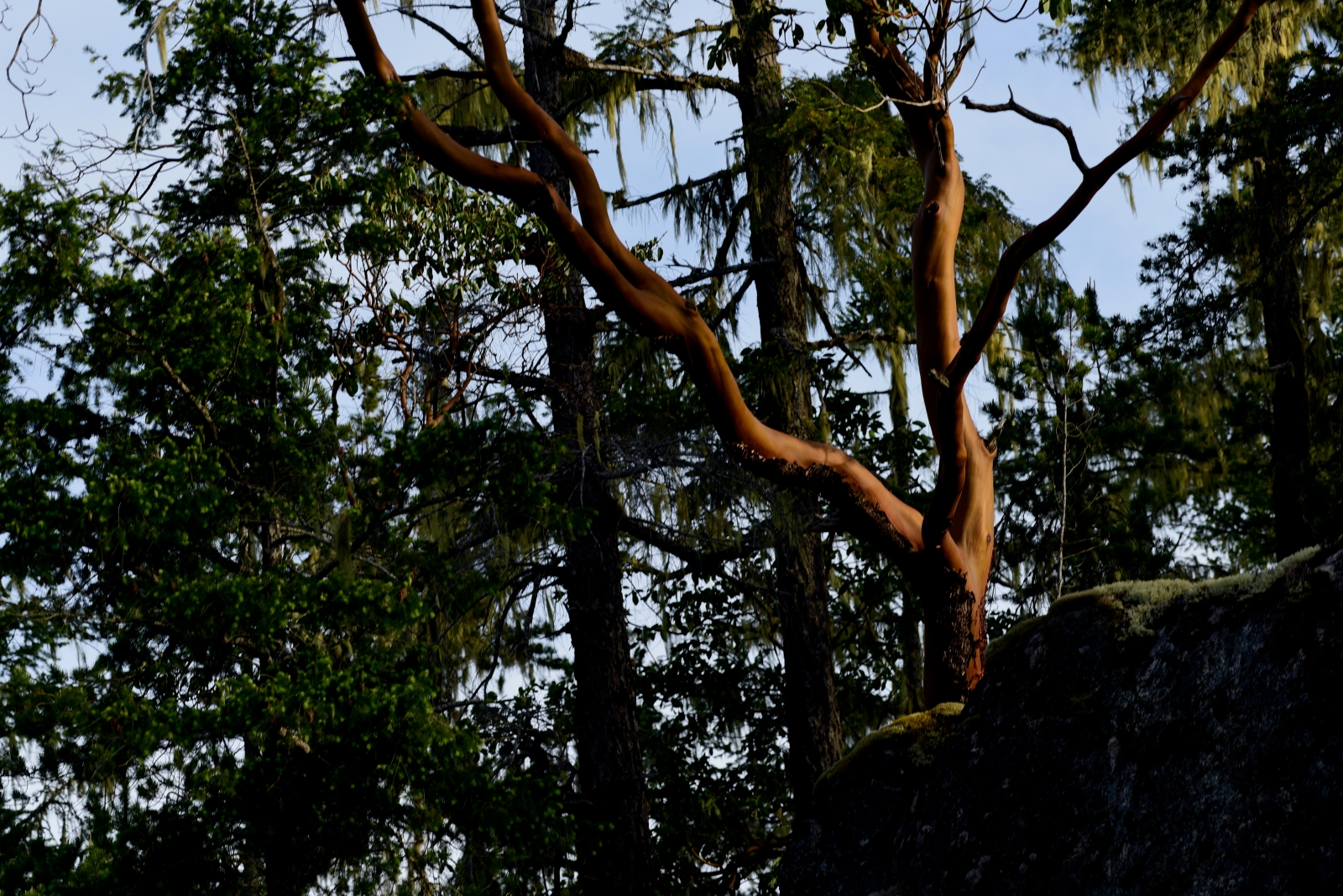
When spring comes in, Desolation Sound’s old-growth forests are particularly striking, fresh growth brightening the tips of hemlock and spruce branches and wildflowers begin appearing beneath the canopy.
One of the season’s more unusual sights is skunk cabbage, with its enormous green leaves, brilliant yellow flowers and unmistakable scent.
“The skunk cabbage is ripe,” says Maple Leaf Adventures expedition leader Jeff Reynolds. “It looks beautiful in the forest. These skunk cabbages are prehistoric looking.”
The plant is also an important early food source for bears, which begin moving through the forests and along shorelines in search of fresh vegetation.
Beyond the trees, the landscape is just as dramatic. Snow still clings to the mountain peaks, while waterfalls swollen with spring meltwater tumble down towering granite cliffs.
Investigate Worlds Revealed by the Tides
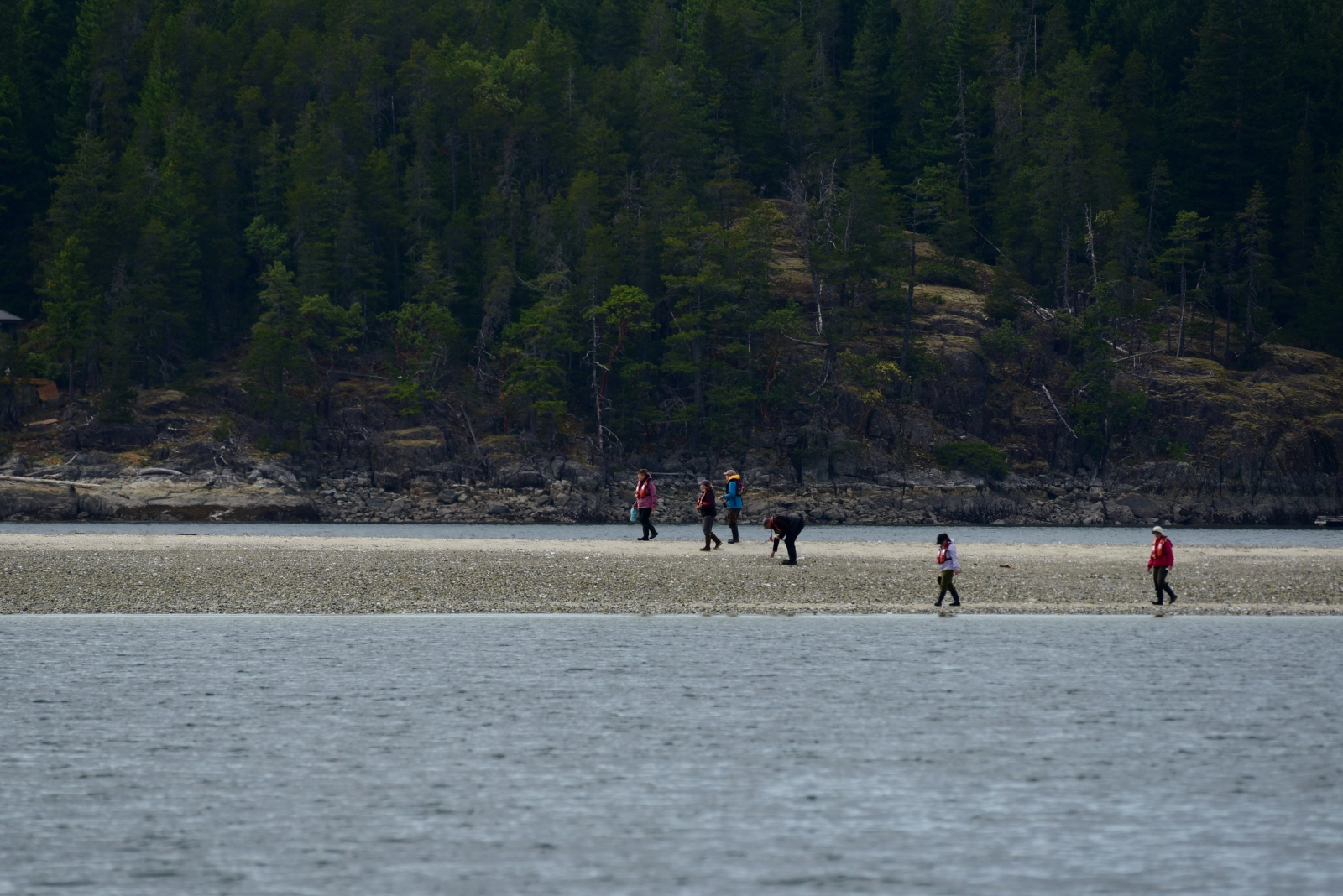
Desolation Sound’s narrow passages and fjords experience powerful tidal currents, carrying nutrients through an intricate network of marine habitats.
At low tide, the retreating water reveals the world of shells, seaweeds and intertidal creatures along rocky beaches.
For Jeff, kayaking is one of the best ways to appreciate these details.
“When you’re kayaking and paddling along shoreline, you see so much along the shoreline,” he explains.
Spring’s longer days offer opportunities to paddle in the early morning or evening, exploring sheltered coves and beaches that are difficult to reach by larger vessels.
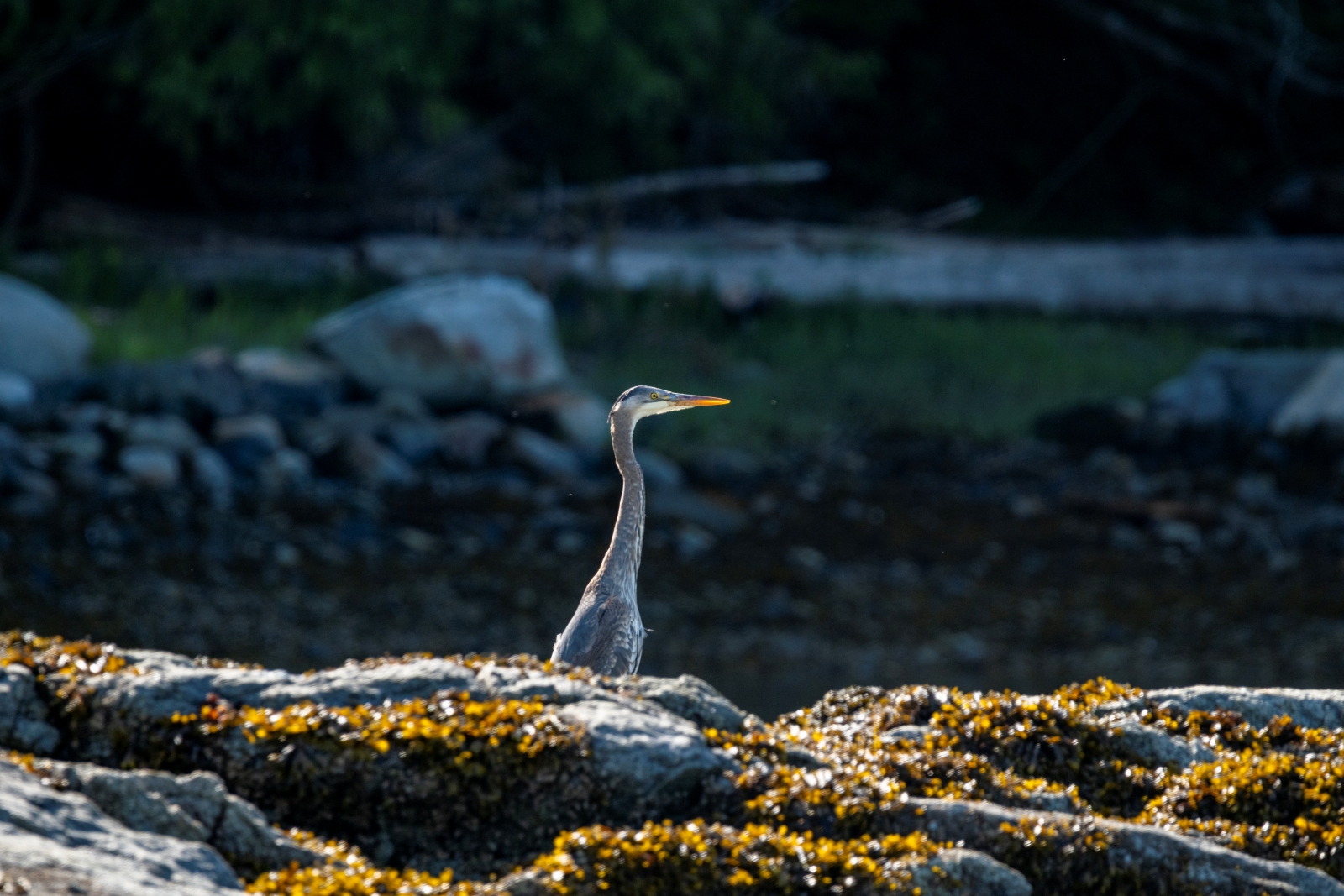
Along the way, bears may be seen foraging at low tide, Steller sea lions hunting fish in nearby waters, and seabirds gathering around their nesting colonies.
Tender to Islands Where Cactus Meets the Pacific

Perhaps the most unexpected discovery lies on Mitlenatch Island, in the northern Strait of Georgia.
While much of the surrounding coast is covered in temperate rainforest, Mitlenatch has a remarkably dry microclimate. Here, prickly pear cactus grows among colourful spring wildflowers, creating a landscape that feels almost Mediterranean.
Jeff describes the island as “an incredible island that’s got cactuses growing on it.”
But the unusual vegetation is only part of its appeal.
Mitlenatch is also an important wildlife refuge, with nesting colonies of gulls and cormorants and rocky shores used by Steller sea lions.
When conditions permit, visitors can go ashore to explore the island and learn more about its distinctive ecology.
It’s a reminder that even within a relatively small stretch of coastline, the natural world can change dramatically from one island to the next.
Discover More in the Quieter Season
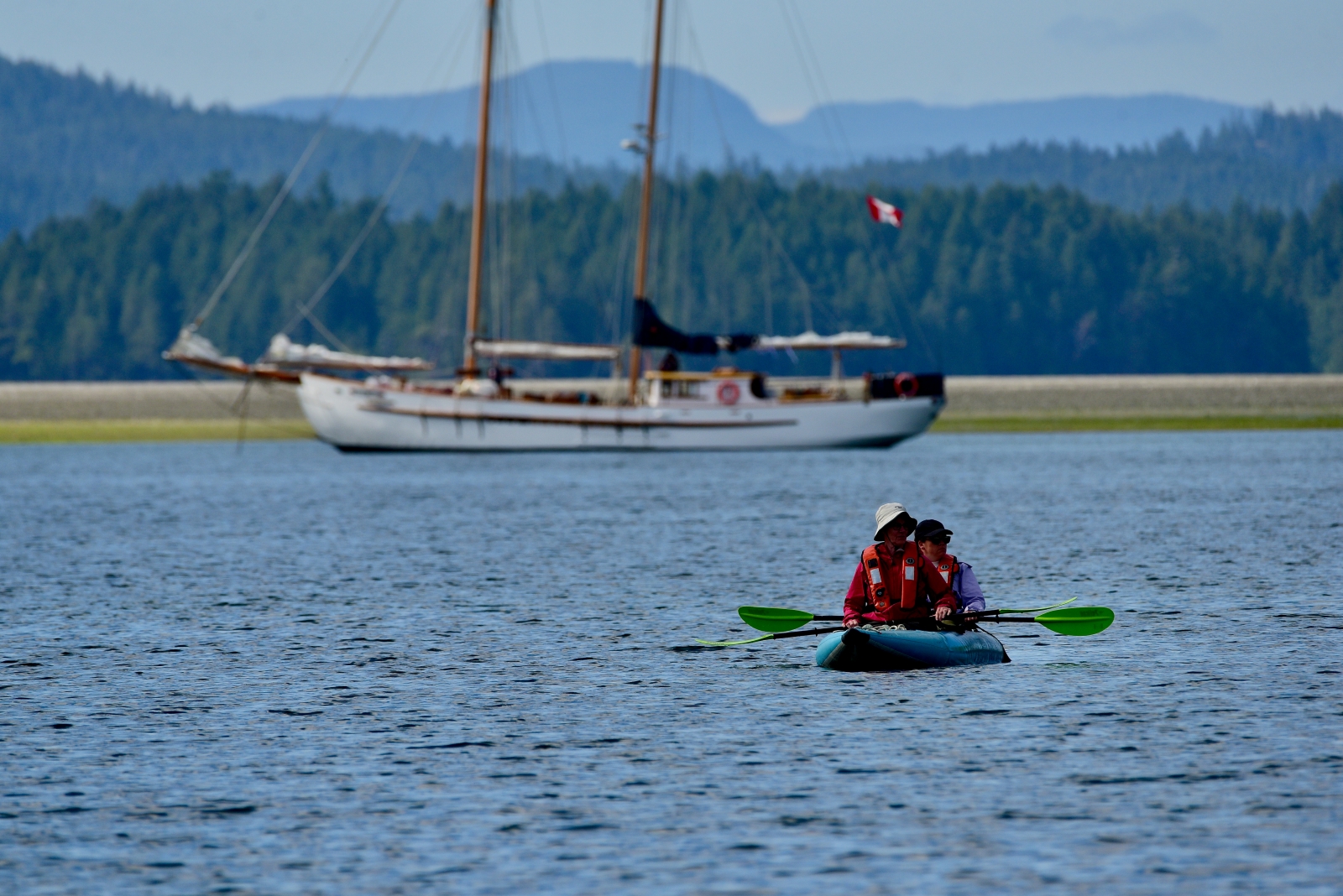
The shoulder seasons of Spring and Fall offer another advantage for travellers hoping to explore beyond Desolation Sound’s best-known anchorages: fewer boats.
“In the summertime, some of these anchorages are packed with boats. In the spring, you might be one of only one or two boats there,” explains Jeff.
In spring, snowmelt feeds waterfalls tumbling down granite cliffs, forests burst into fresh growth and wildlife becomes increasingly active. Come fall, the pace of recreational boating slows again, bringing a quieter atmosphere.
With fewer vessels sharing each anchorage, there’s more opportunity to appreciate the details that make this coastline remarkable: paddling along a rocky shorelines, walking through old-growth forests or watching wildlife from the deck.
For travellers more interested in discovering what’s around the next bend than reaching the next anchorage, the quieter seasons offer a rewarding way to explore.
So, are you ready to see what lies beyond the anchorages? Explore our Desolation Sound expeditions in Spring and Fall.
-
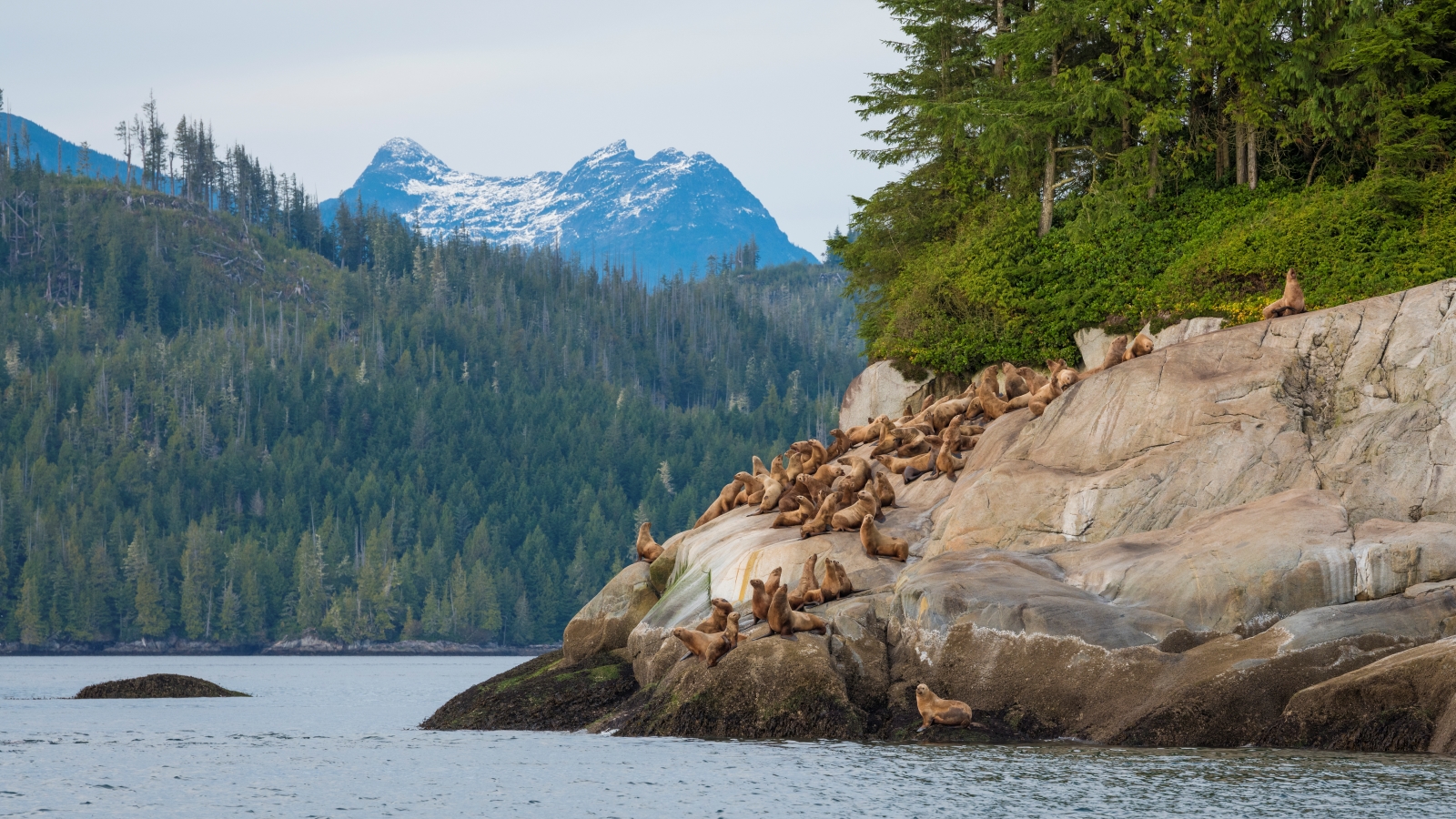
Desolation Sound and Fjords of BC
View ItineraryThis journey among the islands and fjords of the storied British Columbia coast includes Desolation Sound and the Broughton Archipelago, as well as neighbouring inlets.
-
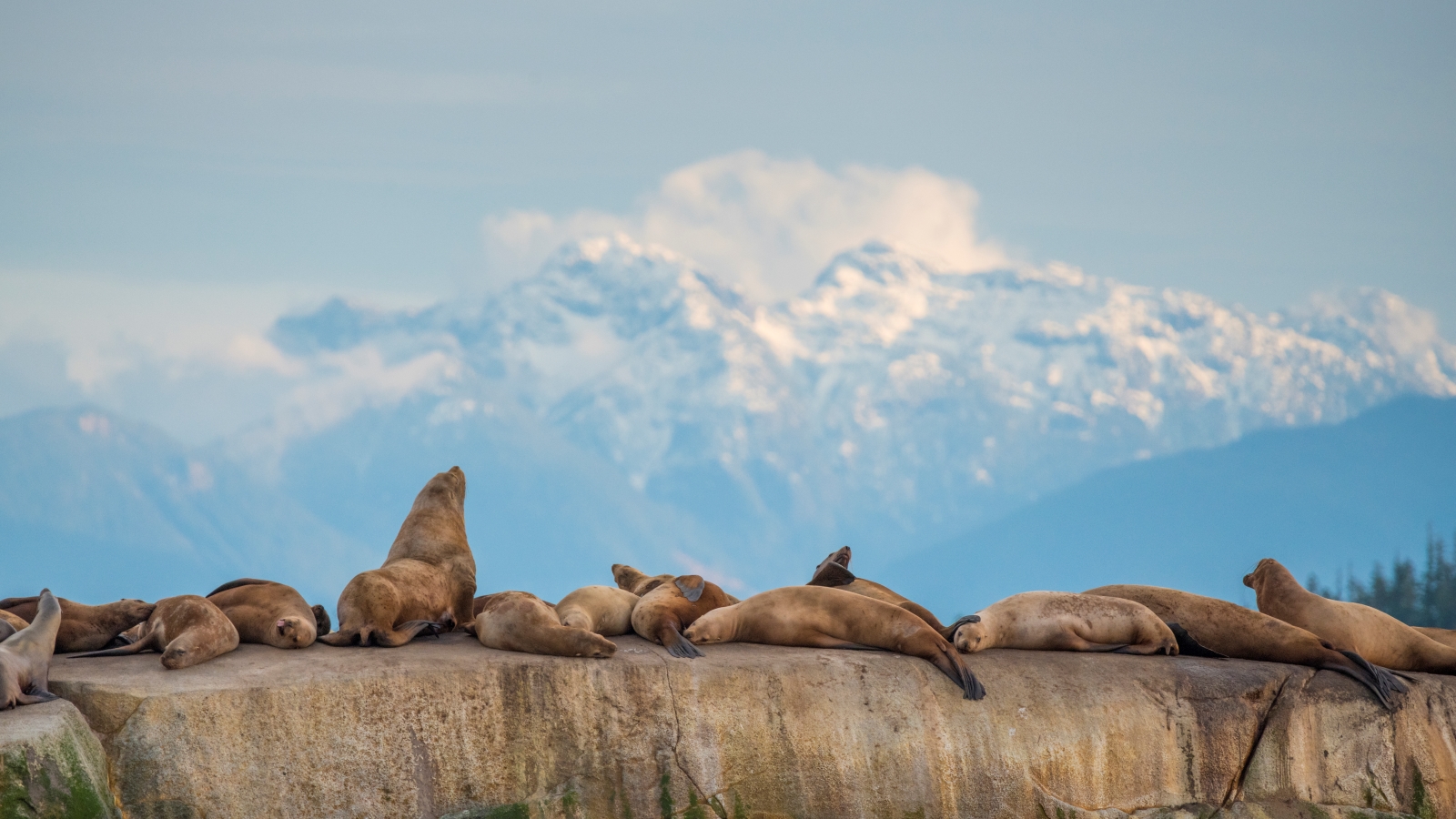
Desolation Sound
View ItineraryExplore the stunning waterways, fjords and islands of Desolation Sound, one of the world’s most popular cruising destinations.